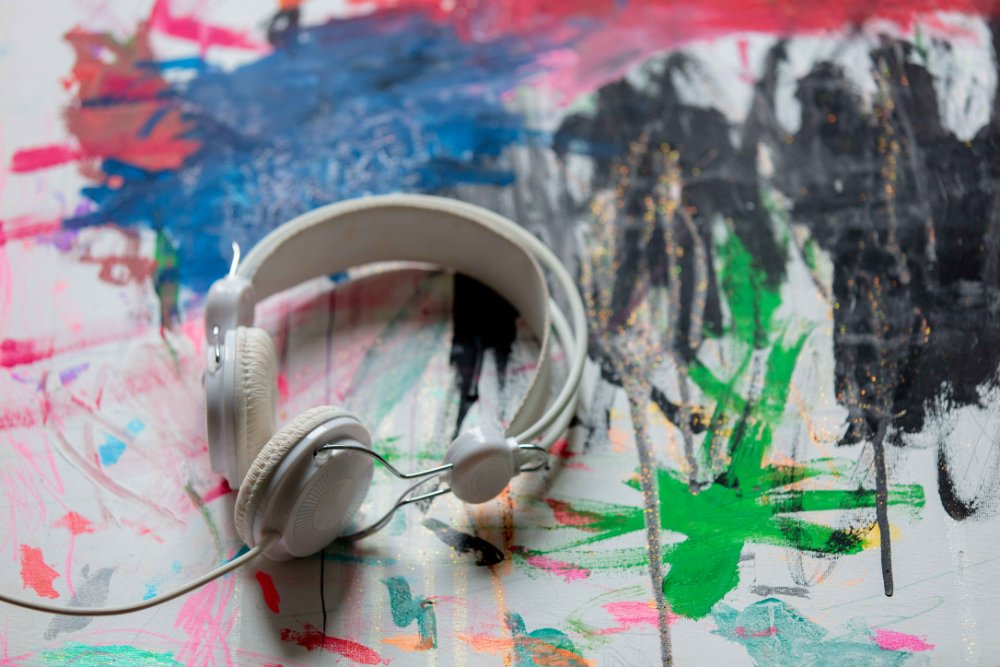
Recovery from addiction involves more than stopping the use of alcohol or drugs. It also involves rebuilding daily life, developing healthier coping skills, and finding meaningful ways to handle difficult emotions. During this process, creative activities can provide comfort and a way to express yourself. Art and music give people ways to explore thoughts and feelings that may be difficult to explain through conversation.
Creative outlets can also make recovery feel more active and personal. Painting, drawing, playing an instrument, writing songs, or simply listening to meaningful music can create moments of calm and connection. These activities do not replace professional treatment. However, when used alongside appropriate care and support, they can support emotional well-being and help people build healthier routines.
Why Creativity Can Matter During Recovery
Addiction can affect many areas of a person’s life. Relationships may strain, daily routines may disappear, and healthy interests may get less attention. As recovery begins, people often need new ways to use their time and manage emotions. Creative activities can help fill that space with something constructive. They can provide direction without demanding perfection.
In addition, creativity gives people opportunities to make choices and see progress. A completed drawing, a new melody, or a few lines of a song can create a small but meaningful sense of accomplishment. These experiences may help someone reconnect with interests that addiction pushed aside. Over time, creative work can become part of a healthier and more balanced lifestyle.
Art Creates a Safe Space for Expression
Some emotions are difficult to describe. Shame, anger, sadness, fear, and hope can all appear during recovery. Art provides another way to explore these feelings. People can use colors, shapes, photographs, clay, or other materials to express an experience without explaining every detail in words.
Art also allows people to work at their own pace. No one needs to create something beautiful or technically impressive. The value often comes from the process itself. Focusing on a canvas or sketchbook can provide a temporary break from stressful thoughts. It can also encourage reflection and help people notice emotional patterns more clearly.
Music Can Help People Process Emotions
Music is strongly connected to memory and emotion. A familiar song can bring back a specific moment, while a new piece of music can create a different emotional experience. During addiction recovery, people can use music carefully to explore feelings, relax, or find motivation. Listening with intention can turn an everyday activity into meaningful self-care.
Creating music can offer additional benefits. Playing guitar, learning piano, singing, or experimenting with simple rhythms requires attention and practice. This focus can provide structure during periods when a person feels restless or overwhelmed. Music can also offer a healthy way to release emotion while building a skill that may continue long after formal treatment ends.
Creative Activities Can Reduce Everyday Stress
Stress is a normal part of life, but managing it can be especially important during recovery. When stress builds without healthy coping strategies, old habits may feel more tempting. Creative activities can provide a constructive response. Drawing, painting, singing, or playing an instrument can redirect attention toward something engaging and productive.
These activities can also encourage people to slow down. Someone focused on mixing paint or practicing a chord progression has a reason to stay present with the task. This kind of focused attention may create a sense of calm. While creativity cannot remove every source of stress, it can become one useful tool within a broader recovery plan.
Art and Music Can Support Healthy Routines
A stable routine can make daily life more manageable during recovery. However, a healthy schedule should include more than appointments and responsibilities. Enjoyable activities matter too. Setting aside regular time for art or music can give someone something positive to look forward to. Even a short creative session can add purpose to an otherwise difficult day.
Consistency can also support skill development. A person who draws for twenty minutes each evening may gradually become more confident. Someone who practices an instrument several times a week may begin learning complete songs. This progress can reinforce patience and persistence. Both qualities can be valuable when recovery itself requires steady effort over time.
Creativity Can Help Rebuild Confidence
Addiction can damage self-confidence. People may focus heavily on past mistakes or feel uncertain about what they can accomplish in the future. Creative activities offer opportunities to experience growth in a different setting. Learning a new artistic technique or finishing a piece of music can remind someone that improvement remains possible.
Creative work also encourages experimentation. A painting doesn’t need to be perfect, and a musician doesn’t need to play every note correctly. Mistakes can become part of learning. This mindset can be helpful during recovery because progress is rarely perfect. Learning to continue after a creative mistake may reinforce a healthier attitude toward challenges in other areas of life.
Shared Creativity Can Build Connection
Recovery can sometimes feel isolating. Yet meaningful relationships and supportive communities can make the process easier to navigate. Group art projects, community workshops, music sessions, and recovery programs that include creative activities can give people opportunities to connect around a shared interest. Conversation may also feel more natural when everyone has an activity to focus on.
Creative groups can help people build relationships around healthy experiences. Instead of connecting through substance use, participants can connect through music, painting, photography, or another interest. These relationships may help people develop a stronger sense of belonging. They can also show that people can enjoy social experiences without returning to old patterns.